In 2026, smart and stylish window tints offer more than just sun protection. They help save energy, control glare, boost privacy, and even add safety. Whether you’re renovating, building a new home, or simply improving comfort, choosing the right tint matters.
In this post, we’ll explore the most useful and popular types of window tinting for homes this year. We’ll explain what each kind does, what benefits it brings, and how to choose the best fit for your needs.
The Top Types of Home Window Tint in 2026
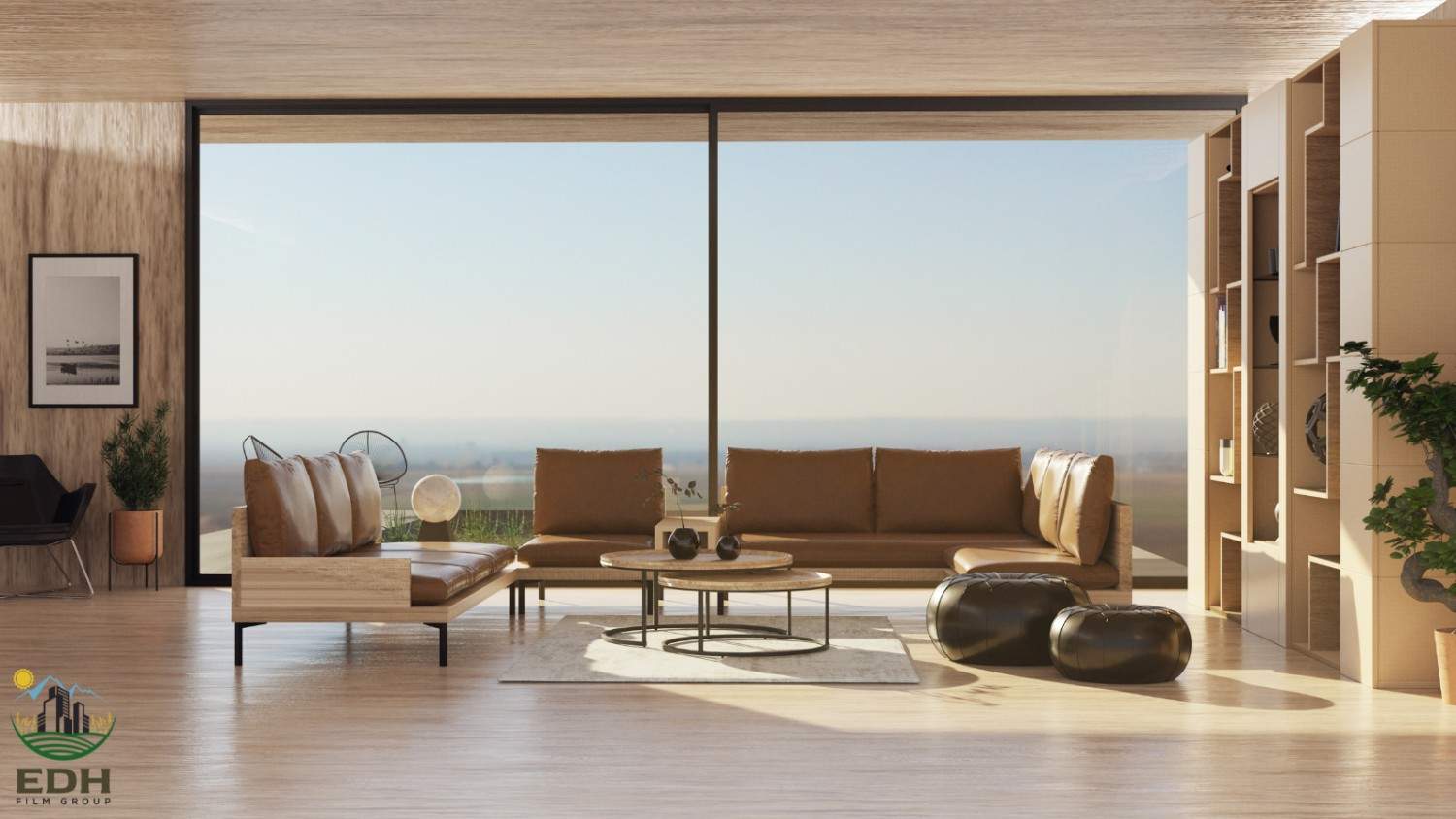
Solar or Heat‑Control Film (Low‑E / Solar Film)
What it is
This tint uses advanced reflective or low‑emissivity coatings to block infrared heat, UV rays, and bright sunlight. It helps keep your home cool in summer and warmer in winter.
Key Benefits
- Reduces heat gain in sunnier months, saving on air conditioning.
- Let’s in light while cutting glare.
- Blocks up to 99% of UV rays, protecting furniture, rugs, and artwork.
- Keeps more warmth during colder days, depending on orientation.
Why It Matters in 2026
With rising cooling and heating costs, this tint delivers energy savings and better comfort year‑round. Modern low‑E films match high‑performance glass at lower cost.
Best for
- Rooms that get direct sun, especially east‑ or west‑facing windows.
- Families with furniture that fades from UV.
- Anyone wanting lower energy bills.
Ceramic Window Film
What it is
Made with tiny ceramic particles (no metal, dye, or carbon), this high‑tech film reflects and absorbs infrared while maintaining optical clarity.
Key Benefits
- Blocks up to 50% of infrared heat and 99% of UV rays.
- Resists fading, scratching, and glare.
- Doesn’t interfere with Wi‑Fi, cordless phones, or radar like metallic films.
- Adds strength to glass, helping protect from storms or break‑ins.
Why Choose in 2026
This remains the most advanced residential film. It gives strong performance with minimal visible tint. It’s more durable and long‑lasting than dyed or metal films.
Best for
- Hot climates where infrared heat is a concern.
- Homeowners who want clarity with performance.
- Residents worried about interference with smart home or communication gear.
Metalized and Carbon Films
Metalized Film
Contains millionths‑thick metal particles (like nickel, copper, or aluminum). It reflects heat and light, creating a mirror‑like external surface.
Carbon Film
Uses carbon particles for a matte, non‑reflective finish. It blocks heat and UV without a shiny look.
Benefits
- Metalized: strong heat reflection, added window strength, and high daytime privacy.
- Carbon: non‑reflective, good heat rejection, no metal interference.
- Often more affordable than ceramic.
Drawbacks
- Metalized films may reflect light at night, making windows look like mirrors.
- Some metalized types can interfere with electronics.
- Dye‑based films may fade over time.
Best for
- Rooms where heat control and mirrored privacy are desired.
- Homeowners looking for budget-friendly, but effective options.
Decorative, Frosted, and Colored Window Film
What They Are
These film types are mainly aesthetic. They may be frosted, stained‑glass style, tinted in color, or patterned. Some use static cling, others use adhesive.
Benefits
- Enhance privacy while still letting light in.
- Add visual flair—ideal for bathrooms, front doors, and entry sidelights.
- Many are removable or reusable, so renter‑friendly.
- Some block a small amount of UV.
Best for
- Bathrooms, entry doors, narrow windows, or guest rooms.
- Anyone wanting style and privacy without reducing natural light.
Privacy and Mirror Films
What They Are
These films reflect light, giving a one‑way mirror effect during the day. One-way or two‑way mirror tints limit visibility into your home while preserving outward view.
Benefits
- High daytime privacy without blackout.
- Allows natural light.
- Can be matched with solar or metalized films for combined benefits.
Drawbacks
- At night, views reverse—the interior becomes visible from outside unless interior lights are dimmed.
- Not suitable for dual‑pane windows if the improper film causes heat stress.
Best for
- Ground‑floor windows, street‑facing façades.
- Bathrooms, bedrooms, or offices where daytime privacy matters.
Security Window Film
What it is
This is a thick polyester film designed to hold glass shards together during breakage or impact. It acts like a retrofit laminated glass.
Benefits
- Helps prevent glass from shattering and cutting occupants.
- Slows down break‑in attempts or storm damage.
- Some types meet safety standards like ANSI Z97.1 or BS 6206.
Use cases
- Homes in hurricane‑ or storm‑prone zones.
- Ground-floor windows are accessible to intruders.
- Families with young children or elderly occupants.
Best for
Maximizing safety and window durability with visible benefits.
Smart or Switchable Glass and Film
What it is
Smart glass or switchable film changes opacity using electricity. Popular types include electrochromic, SPD (suspended particle devices), and liquid crystal versions.
Benefits
- Provide instant privacy at the flip of a switch or through automation.
- Block or allow light and heat on demand.
- Remove the need for blinds or shades.
Limitations
- Most require electrical installation or laminated glass.
- Cost is much higher than passive film.
- May need professional installation and maintenance.
Best for
- High‑end installations, modern homes, or offices.
- Sunrooms, conference windows, or glass partitions.
Insulating Window Film
What it is
Thicker film is applied inside frames that helps trap air, reducing heat loss—much like a thermal barrier. Think of it as a lower‑cost version of storm windows.
Benefits
- Lowers heating costs in colder months.
- Easy to install and often removable.
- Great for old or single‑pane homes.
Limitations
- Less effective at blocking solar heat or glare.
- Usually used seasonally (often in winter only).
Best for
- Cooler climates or older homes with poor insulation.
- Budget‑minded users wanting quick DIY solutions.
Picking the Right Film: What to Consider
To choose the best tint for your home in 2026, weigh these factors:
1. Climate and Direction
- Hot climates or sun‑exposed windows → choose solar/heat control, ceramic, or metalized/ carbon film.
- Cold regions needing heat retention → consider insulating film.
- Mixed climate → low‑E solar film offers seasonal balance.
2. Your Priorities
- Privacy only → opt for privacy, mirror, or decorative film.
- Safety/security → go with security film.
- Visual style → choose decorative or stained‑glass film.
- Smart control & tech → explore switchable smart film or glass.
3. Window Type
- Dual‑pane or low‑E windows: ensure your chosen film is compatible. Improper film may overheat or void the seal.
- Single‑pane homes: insulating film or solar film can yield big benefits.
4. Installation & Removal
- Adhesive films: more permanent, professional needed.
- Static‑cling films: easy to install or remove—even reusable for renters.
5. Budget
- Budget films: dyed or carbon tints offer entry-level performance.
- Mid-price: metalized films.
- High-end: ceramic or smart/switchable film with superior clarity and function.
Installation Tips and Maintenance
- Hire professionals for solar, ceramic, security, or smart films to ensure proper adhesion, warranty, and performance.
- Read product labels carefully when applying film on dual‑pane/low‑E units—some warranties may be void.
- Clean windows well before installing—film adheres best on smooth, dust‑free surfaces.
- Avoid cheap gimmick films—they may bubble, fade, or peel over time.
- Maintain mild soapy water, a soft cloth, and avoid harsh cleaners or scrubbing.
2026 Trends and Innovations
● Smart Film Is Growing
Electrochromic and SPD films are more affordable and robust than ever, and offer instant light and privacy control. They let homeowners replace blinds or shades with electrically controlled glass.
● Ceramic Film Gets Cheaper
Falling manufacturing costs and wider adoption drive ceramic film prices down. More homeowners can now access its best‑in‑class performance.
● Hybrid Films Combine Strengths
Some newer films combine dyed or metalized layers with ceramic features. These hybrids balance cost with heat control and clarity.
bravoprotectionmn.com
● Decorative Meets Function
Frosted and pattern films now come with UV‑protective layers—so style doesn’t mean sacrificing performance. Static‑cling decorative film is renter‑friendly yet blocks UV effectively.
Sample Use Cases: Matching Film to Room
Room or Need Recommended Type(s) Why It Works Living room / sunroom Ceramic or solar/lowE film Controls heat and glare while preserving view Bedroom or street facing Mirror or privacy film Blocks walk by views, keeps light in Bathroom or entry sidelights Decorative or frosted static film Lets light in, ensures privacy, adds style Study or media room Solar film + glare control Reduces screen glare, protects furnishings Windows prone to breakage Security film Adds resistance, holds glass in place Older / singlepane home Insulating film Reduces drafts, traps heat in winter Modern smart home design Electrochromic or SPD smart film Offers on demand tinting, removes need for shades Why Tint Now: Benefits in 2026
- Lower energy bills: Cooling and heating costs continue rising worldwide. Proper tinting reduces Protect interiors: UV damage fades to furniture, flooring, and art—films help slow aging inside your home.
- Comfort and glare control: Natural light remains, but glare, hotspots, or bright sun become manageable.
- Added privacy and security: Reduce visibility from outside or deter break‑ins.
- Stylish upgrade: Decorative films add curb appeal, even mimic stained glass or etched art.
- Renters and low‑commitment users benefit from removable cling films for bathrooms or entry windows.
Choosing Wisely: Final Checklist
- Clarify your goal: comfort, energy savings, glare reduction, privacy, style, or security.
- Consider your climate and window orientation: summer heat or winter chill? East‑facing glare or north light?
- Check window types: confirm dual‑pane or low‑E compatibility.
- Think long‑term vs. rent: sticky adhesive film lasts, but static cling gives flexibility.
- Balance budget and durability: ceramic and smart films cost more but offer higher performance.
Final Thoughts
In 2026, the window tinting landscape has matured with smarter coatings, wider film options, and smarter pricing. Whether you’re after energy savings, UV protection, style, safety, or instant privacy control, there’s a solution for you.
Tint your windows wisely—and enjoy a cooler, safer, more comfortable, and beautiful home.
Choose EDH Film Group
If you’re ready to upgrade your home with high-quality window tinting, trust the experts at EDH Film Group. With years of experience in residential window film installation, EDH Film Group specializes in solar control, privacy, decorative, and security films tailored to your home’s unique needs. We offer premium-grade materials, expert installation, and personalized service to help you choose the right film for your space, style, and budget.
Whether you’re looking to reduce energy bills, improve comfort, or add modern privacy solutions, EDH Film Group is here to help—start with a free consultation and see why homeowners across the region choose us for quality, reliability, and results that last.
Contact EDH Film Group today to learn more or schedule your window tinting assessment.