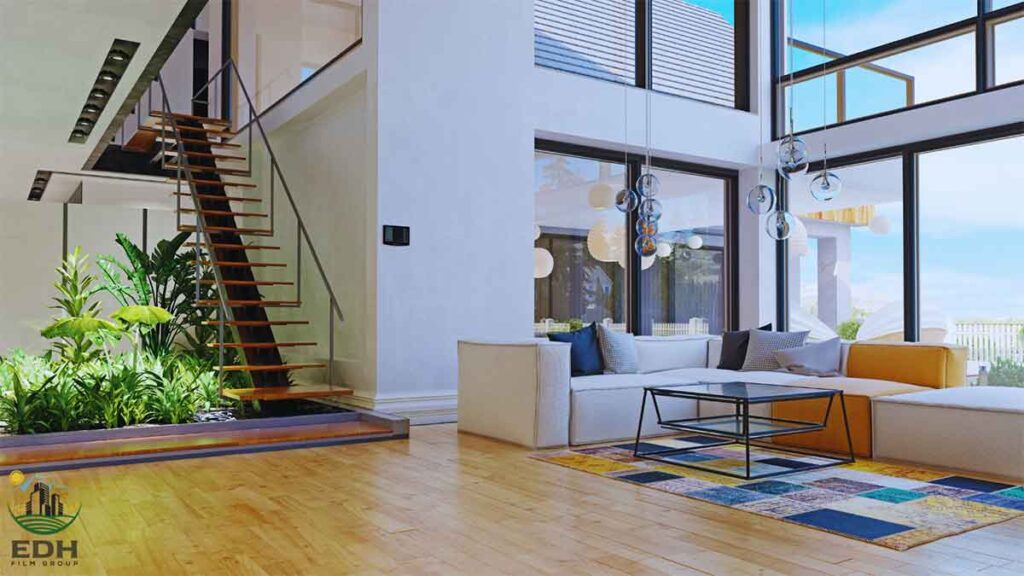
Exposure to sunlight can significantly impact the longevity and appearance of your furniture and flooring. Ultraviolet (UV) rays penetrate windows, causing fading, discoloration and material deterioration. Installing solar window film is an effective way to reduce UV exposure and protect indoor surfaces. This film acts as a barrier, filtering out harmful rays while allowing natural light to brighten your space.
What Is Solar Window Film?
Solar window film is a thin, multi-layered polyester material applied to glass surfaces to regulate indoor temperatures, reduce glare and block harmful UV radiation. Unlike standard window tinting, which primarily darkens windows for privacy, modern solar window film is designed to preserve natural light while enhancing energy efficiency.
For homeowners and businesses, installing solar control window film means long-term protection for interiors, reduced cooling costs and improved sustainability. Whether for energy conservation or furniture preservation, these films offer a cost-effective alternative to window replacements while maintaining the original look of glass surfaces.
How Does Solar Window Film Block UV Rays?
UV-blocking window film is designed with specialized coatings that act as a protective shield against harmful solar radiation. The film’s multi-layered structure integrates metallic or ceramic components, ensuring maximum UV protection while maintaining clear visibility.
Here’s how it works:
- UV Absorption: The film absorbs up to 99% of ultraviolet (UV) rays, preventing them from penetrating indoor spaces. This significantly reduces fading and discoloration of furniture, flooring and artwork.
- Infrared Reflection: Solar control window tint helps regulate indoor temperatures by reflecting infrared heat. This prevents excessive heat buildup, keeps interiors cooler and reduces strain on HVAC systems.
- Visible Light Transmission: Unlike dark-tinted films, modern solar window film allows natural daylight to pass through while selectively filtering out harmful wavelengths. This ensures a well-lit indoor environment without the negative effects of direct sunlight.
This advanced technology makes sun-blocking window film an ideal solution for anyone looking to protect their interiors without sacrificing natural light or visibility.
The Effects of UV Rays on Furniture and Flooring
UV rays are a major contributor to fading, discoloration and material wear in home interiors. Prolonged exposure to sunlight affects the look and lifespan of flooring, furniture and decor, often resulting in irreversible damage. Once-vibrant colors can fade, textures dry out and structural integrity weakens, all leading to costly replacements.
Glass without protective film allows UV radiation to pass freely, accelerating deterioration in wood, leather, fabrics and artwork. Installing solar window film helps block harmful rays at the source, preserving your interiors without sacrificing sunlight.
What Types of UV Damage Can Occur in Furniture?
Different materials respond to UV exposure in specific ways, but all are susceptible to fading and weakening over time.
- Wood may darken or bleach unevenly and resins break down, causing warping or cracks.
- Leather dries out, becomes brittle and loses its original color and texture.
- Fabrics like curtains and upholstery fade and lose strength, making them prone to tearing.
- Artwork and framed decor can yellow, fade or become brittle due to paper and pigment breakdown.
With solar window film in place, homeowners can reduce UV-related fading and extend the life of these furnishings without relying on heavy window coverings.
Can Solar Window Film Reduce the Fading of Flooring?
Flooring is exposed to constant UV light, especially in sunlit rooms. Over time, hardwoods lose their finish, laminate colors fade unevenly and carpet fibers weaken, leading to visible aging and damage in high-use areas.
Solar window film creates a UV barrier that protects these surfaces while maintaining natural light. It helps preserve the flooring’s original look, minimizing the need for refinishing or early replacement.
How Solar Window Film Preserves Indoor Aesthetics and Longevity

Protecting furniture, flooring and decor from sun damage is essential for maintaining a stylish, well-preserved interior. Constant UV exposure leads to fading, discoloration and premature wear, affecting the overall ambiance of a home or office. While traditional methods like curtains and blinds can provide some relief, they also block natural light and limit visibility.
Solar window tint offers a modern, low-maintenance solution that enhances both aesthetics and durability. Solar window film protects valuable furnishings without compromising the indoor environment by filtering out harmful UV rays while still allowing daylight to enter.
How Do You Protect Furniture from UV Damage?
Homeowners often rely on curtains, blinds and protective coatings to limit sun damage, but these methods come with trade-offs. Curtains and blinds block out light entirely, creating a dim and enclosed atmosphere. UV-blocking sprays or coatings offer temporary relief but require frequent reapplication.
Solar window film provides a superior alternative by offering:
- UV Ray Filtration: This product blocks up to 99% of harmful UV rays, preventing furniture, flooring and decor from fading or deteriorating.
- Temperature Control: Reduces heat buildup indoors, protecting materials like leather, wood and fabric from drying out or cracking.
- Natural Light Preservation: Unlike traditional window treatments, solar control window tint maintains brightness, ensuring a well-lit, inviting space.
By choosing solar window film, homeowners can preserve the beauty and integrity of their interiors without sacrificing visibility, ambiance or comfort.
Does UV Window Film Protect Furniture Without Darkening the Room?
A common concern with window tinting is whether it will make rooms feel dark or enclosed. While some older films heavily darken windows, modern solar control window film is engineered for maximum protection without reducing visibility.
Advanced films like the 3M™ Prestige Series are designed to:
- Maintain High Light Transmission: Allowing ample daylight to enter while still blocking harmful UV rays.
- Ensure Low Reflectivity: These options provide a clear, unobstructed view both day and night. Unlike heavily tinted films, they do not create a mirrored or distorted effect.
- Balance Heat and UV Protection: Reducing solar heat gain while keeping rooms bright and comfortable.
Solar window film is the ideal solution for homeowners who want to safeguard their interiors without altering the look and feel of their living spaces. It offers invisible protection, ensuring that natural light enhances the room rather than causing damage.
Choosing the Right Solar Window Film for Maximum UV Protection
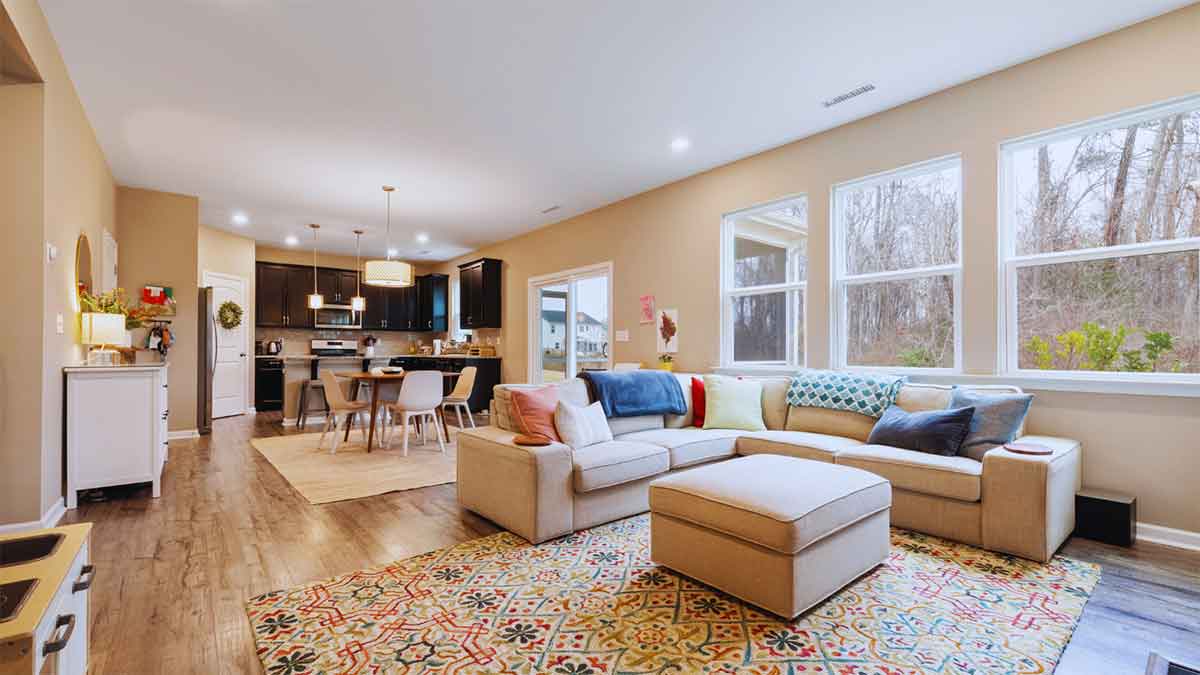
Not all solar window films offer the same level of protection. Some prioritize UV blocking, while others focus on heat rejection, glare reduction or aesthetics. Choosing the best solar control window tint requires understanding your specific needs, including climate, window orientation and interior preferences.
With a variety of options available, homeowners can select films that preserve natural light, reduce solar heat gain and enhance indoor comfort without compromising visibility. Investing in high-quality solar window film ensures long-lasting protection for both your home and furnishings.
What Should I Consider When Choosing a Solar Window Film?
Selecting the right sun-blocking window film requires a balance of function and aesthetics. Homeowners should evaluate the following factors before making a decision:
- UV Protection Level – Ensure the film blocks at least 99% of UV rays to prevent furniture fading, discoloration and material degradation.
- Heat Rejection – Look for films that also reduce infrared heat to keep interiors cooler and more energy-efficient.
- Aesthetic Preference – Choose from clear, tinted or reflective films based on how much visibility and light transmission you want.
- Durability & Warranty – Opt for high-quality films with manufacturer-backed warranties to ensure long-term performance.
For homeowners who want protection and style, options like 3M™ Sun Control Window Films provide a perfect balance of light control, heat rejection and UV blocking. These films allow for maximum protection while enhancing your home’s appearance and comfort.
Does Solar Window Film Affect Natural Light Indoors?
A common concern among homeowners is whether solar control window tints will make rooms feel darker or enclosed. However, modern films are engineered to preserve brightness while providing UV and heat protection.
Unlike older, heavily tinted window films, today’s advanced solar window film technology ensures:
- Ample Natural Light – High-performance films allow visible light to pass through, maintaining a bright and welcoming indoor environment.
- Reduced Harsh Sunlight – Filters out excess glare while ensuring clear visibility, making it easier to work, relax or watch screens without discomfort.
- Customizable Options – Available in various shades and transparencies, allowing homeowners to choose the ideal level of tinting based on their specific needs.
By selecting the right solar window film, homeowners can enjoy clear views, abundant natural light and long-lasting UV protection—all without altering the look and feel of their living space.
Long-Term Benefits and Installation Considerations for Solar Window Film
Investing in solar window film is not just about immediate benefits—it’s a long-term solution for protecting interiors, improving energy efficiency and enhancing indoor comfort. High-quality films can last for over a decade, providing continuous UV protection, glare reduction and thermal control.
Proper installation and maintenance play a crucial role in ensuring durability and performance. Understanding how long the film lasts, how to maintain it and how to remove it helps homeowners make informed decisions to maximize their investment.
How Long Does Solar Window Film Last?
The lifespan of solar control window film depends on factors such as material quality, exposure to direct sunlight and maintenance. Premium solar window tint typically lasts 10–15 years, with high-end options exceeding this range. Modern films feature UV-resistant coatings that prevent yellowing, discoloration and breakdown, ensuring consistent performance over time.
Regular gentle cleaning with non-abrasive solutions helps maintain the film’s clarity and effectiveness. Professionally installed films often come with manufacturer warranties, offering added protection and long-term reliability. By investing in a high-quality product and proper installation, homeowners can enjoy lasting UV protection, heat control and aesthetic benefits with minimal upkeep.
Protect Your Interiors with EDH Film Group
Shielding your home from UV damage starts with the right solution. Solar window film protects furniture and flooring from fading and enhances indoor comfort by reducing heat and glare. Investing in high-performance solar control window tint means longer-lasting interiors, lower energy costs and more comfortable living space all without compromising natural light.
At EDH Film Group, we provide expertly installed, high-quality sun-blocking window film designed for maximum UV protection and durability. Our specialists ensure a seamless application, delivering long-term performance and aesthetic appeal. Take the next step in protecting your home. Contact EDH Film Group today for a consultation and discover the difference professional window tinting can make.