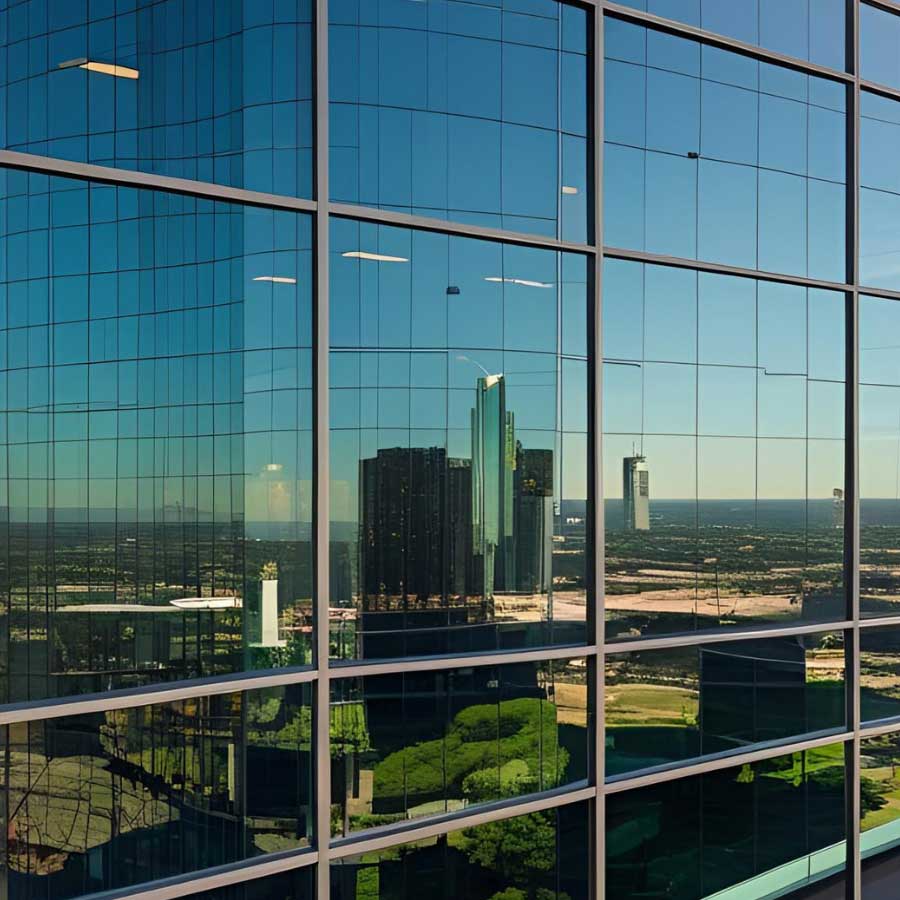
Solar Window Film in Tulsa is among the most searched-for solutions for reducing indoor heat and improving energy efficiency during Oklahoma’s long, hot summers. As homeowners and commercial property owners look for practical ways to manage solar exposure, many compare solar window film to heat-reflective curtains. Both aim to reduce heat, but they function very differently. Understanding which option performs best in Tulsa’s climate can help you make a smarter long-term decision.
If you are evaluating energy upgrades for a home, retail space, or office building in Tulsa, this comparison will clarify which solution delivers stronger performance and lasting value.
Is Solar Window Film Better Than Heat-Reflective Curtains in Tulsa?
In most Tulsa properties, solar window film provides more consistent heat reduction, superior UV protection, and long-term energy efficiency compared to heat-reflective curtains. While curtains can help block sunlight, solar film reduces heat at the glass level before it enters the building, making it more effective for sustained climate control.
What Is Solar Window Film?
Solar window film is a multi-layer polyester film that is professionally applied to existing glass. It is engineered to reduce solar heat gain, block up to 99 percent of ultraviolet radiation, minimize glare, and improve overall indoor comfort while maintaining natural light.
Unlike window replacement, solar film is a retrofit solution that enhances performance without altering the window system’s structure.
What Are Heat-Reflective Curtains?
Heat-reflective curtains are fabric window coverings with an insulated or reflective backing that reduce sunlight penetration and limit heat buildup inside. They are typically installed inside the room and function by blocking or reflecting light after it passes through the glass.
While they provide shading, they do not reinforce glass or stop heat at the exterior surface.
Heat Reduction Performance in Tulsa

Tulsa experiences extended periods of high temperatures and strong solar exposure, particularly from south- and west-facing windows. Managing heat at the source is critical.
Solar Window Film
Solar window film in Tulsa reduces heat at the glass level. Reflecting and absorbing solar energy before it fully enters the interior reduces the amount of radiant heat transferred into the space.
This approach helps maintain more stable indoor temperatures throughout the day.
Heat-Reflective Curtains
Curtains block sunlight after it has already passed through the window. While they reduce direct glare and provide shading, some heat remains trapped between the curtain and the glass. This can still contribute to heat buildup inside.
For properties with large windows, curtains may need to remain closed for much of the day to be effective, limiting daylight and visibility.
UV Protection Comparison
Solar Window Film in Tulsa
UV-blocking window film that Tulsa property owners install can block up to 99 percent of ultraviolet radiation. This protects flooring, furniture, artwork, and retail merchandise from fading.
Heat-Reflective Curtains
Curtains provide partial UV reduction, depending on fabric thickness, but they do not offer consistent protection across all glass surfaces. Areas where curtains are open remain exposed.
For long-term interior preservation, solar film provides broader coverage.
Glare Control and Comfort
Solar Window Film
Solar film reduces glare while preserving views. Offices, co-working spaces, and homes benefit from improved screen visibility and balanced lighting without closing off the window.
Curtains
Curtains eliminate glare when closed but also block natural light. In commercial environments, closed curtains can make a space feel darker and less inviting.
In Tulsa’s commercial districts, maintaining daylight while controlling glare is often a priority.
Energy Efficiency Impact
Energy-efficient window film that Tulsa businesses and homeowners choose helps lower cooling demand by consistently reducing solar heat gain throughout the day.
Curtains perform differently depending on whether they are open or closed. If left open for light, heat reduction drops significantly.
Solar window film offers passive performance without daily adjustment.
Aesthetic and Design Considerations
Solar Window Film
Solar film maintains a clean, uniform appearance. It does not clutter the interior and allows uninterrupted views. This is especially important for:
- Modern homes
- Retail storefronts
- Office buildings
- Co-working environments
Heat-Reflective Curtains
Curtains can add decorative value in residential settings, but may not align with contemporary commercial design. In storefront environments, interior curtains may detract from exterior visibility.
In Tulsa’s growing retail corridors, visibility and transparency remain important for customer engagement.
Long-Term Durability
Solar Window Film in Tulsa
Professionally installed solar film is engineered for long-term performance. Once applied, it continues functioning without daily operation.
Heat-Reflective Curtains
Curtains can fade, accumulate dust, and require cleaning or replacement over time. Their performance depends on proper positioning.
For commercial properties with high traffic, durability, and low maintenance are often deciding factors.
Cost Over Time
Upfront, curtains may appear less expensive. However, long-term value depends on performance and lifespan.
Solar window film in Tulsa:
- Provides continuous heat reduction
- Protects interior assets
- Requires minimal maintenance
- Supports energy efficiency goals
Curtains may need replacement over time and may not deliver measurable reductions in cooling strain for large commercial spaces.
Tulsa Climate Considerations
Tulsa’s climate includes prolonged summer heat, strong sun angles, and significant cooling demand. Buildings with expansive glass exposure experience increased heat gain throughout the day.
Solar window film addresses these conditions directly at the glass surface. For properties in Broken Arrow, Jenks, Bixby, and Owasso, where residential and commercial developments feature large windows, solar control performance becomes even more critical.
Curtains provide shading but do not manage solar energy at the exterior level.
Residential vs Commercial Applications

Residential Window Film Tulsa
Homeowners benefit from:
- Consistent comfort
- UV protection for interiors
- Improved energy efficiency
- Clear outdoor views
Curtains may work in bedrooms or decorative spaces, but solar film provides whole-home performance.
Commercial Solar Window Film Tulsa
In offices and retail environments, curtains are rarely practical. They block visibility and may not align with professional aesthetics.
Commercial window film Tulsa property managers install offers:
- Daylight retention
- Reduced glare for workspaces
- Lower cooling strain
- Clean, modern appearance
For co-working spaces and storefronts, maintaining transparency is essential.
Why Solar Window Film Is the Preferred Long-Term Solution in Tulsa
When comparing performance, energy efficiency, aesthetics, and durability, solar window film in Tulsa provides broader benefits than heat-reflective curtains.
It reduces heat before it enters the space, protects interiors from UV damage, and maintains natural light without manual operation.
Curtains may supplement shading in certain residential applications, but they do not provide the same comprehensive solar-control performance.
Why Work With EDH Film Group for Solar Window Film in Tulsa
EDH Film Group provides professional window film installation in Tulsa for residential and commercial properties. Their team evaluates window orientation, glass type, and exposure levels to recommend the appropriate solar film solution.
Clients choose EDH Film Group because:
- Installations are precise and professional
- Film selection is performance-focused
- Projects are completed efficiently
- Solutions are tailored to Tulsa’s climate
Rather than offering generic products, EDH Film Group delivers solar window film in Tulsa designed to deliver measurable comfort improvements and long-term energy efficiency.
Frequently Asked Questions About Solar Window Film in Tulsa
Does solar window film make windows dark?
Modern solar films come in a variety of shades. Many options reduce heat while maintaining natural daylight.
Can solar window film help reduce cooling costs?
By reducing solar heat gain, solar window film can lower the strain on air-conditioning systems, thereby improving energy efficiency.
Are curtains enough for large Tulsa windows?
Curtains provide shading but may not reduce solar heat as effectively as film, especially for large, sun-exposed glass areas.
Is solar window film suitable for commercial buildings?
Yes. Commercial solar window film Tulsa businesses use improves comfort, glare control, and energy performance without blocking visibility.
How long does solar window film last?
When professionally installed, solar film is designed for long-term durability and consistent performance.
Upgrade Your Tulsa Property with Solar Window Film
If you are deciding between solar window film and heat-reflective curtains, consider Tulsa’s long-term performance and climate demands. Solar Window Film in Tulsa offers consistent heat reduction, UV protection, and energy efficiency without compromising light or aesthetics.
Contact EDH Film Group today to schedule a consultation and discover how professional solar window film installation can enhance comfort and performance for your Tulsa property.