Solar Control Window Film Installation
Performance-Driven Solar Control for Modern Buildings
Solar control window film installation improves how buildings manage heat, glare, and UV exposure across commercial, retail, and institutional environments, while maintaining natural light and consistent interior comfort. Residential applications are supported using the same professional standards.
Performance You Can
Measure
See the measurable difference from day one.
0% UV Rejection
0% Visible Light
Reduction
Reduction
0% Heat
Rejection
Rejection
0% Energy
Savings
Savings
Product Options
3M Prestige Series
3M Ultra Security Series
3M Night Vision Series
3M Affinity Series
Window Tint Visualizer
Solar Control Film Options

Sun Control Window
Film
Regulates heat, glare, and light transmission to improve interior comfort, reduce solar impact, and support consistent building performance throughout the year.

One Way Mirror Window Film
Enhances daytime privacy and glare control while preserving clear outward visibility through architectural glass in commercial and residential settings.
Installed Across Real Environments
Proven solar control installations across offices, retail spaces, schools, and municipal buildings.

Home

Office

Retail Spaces

School

Commercial Spaces

Government Buildings
Trusted Performance at Scale
Certified installation teams, manufacturer-backed architectural films, and consistent execution across single locations and multi-site portfolios.



Understanding Solar Control Window Film Installation
Solar control window film installation is a building performance solution that enhances how glass manages sunlight, heat, and ultraviolet exposure. Installed directly onto existing architectural glass, the film selectively filters solar energy to reduce heat gain, minimize glare, and protect interior finishes from UV-related fading.
Unlike structural renovations or window replacement, solar-control window film offers a practical upgrade that integrates with existing building systems. It supports facilities seeking better thermal balance, occupant comfort, and energy efficiency without disrupting daily operations.
For commercial and institutional environments, this service supports standardized performance across offices, retail locations, schools, healthcare facilities, and municipal buildings. Residential applications benefit from the same material standards and installation precision, with a focus on comfort and interior protection.
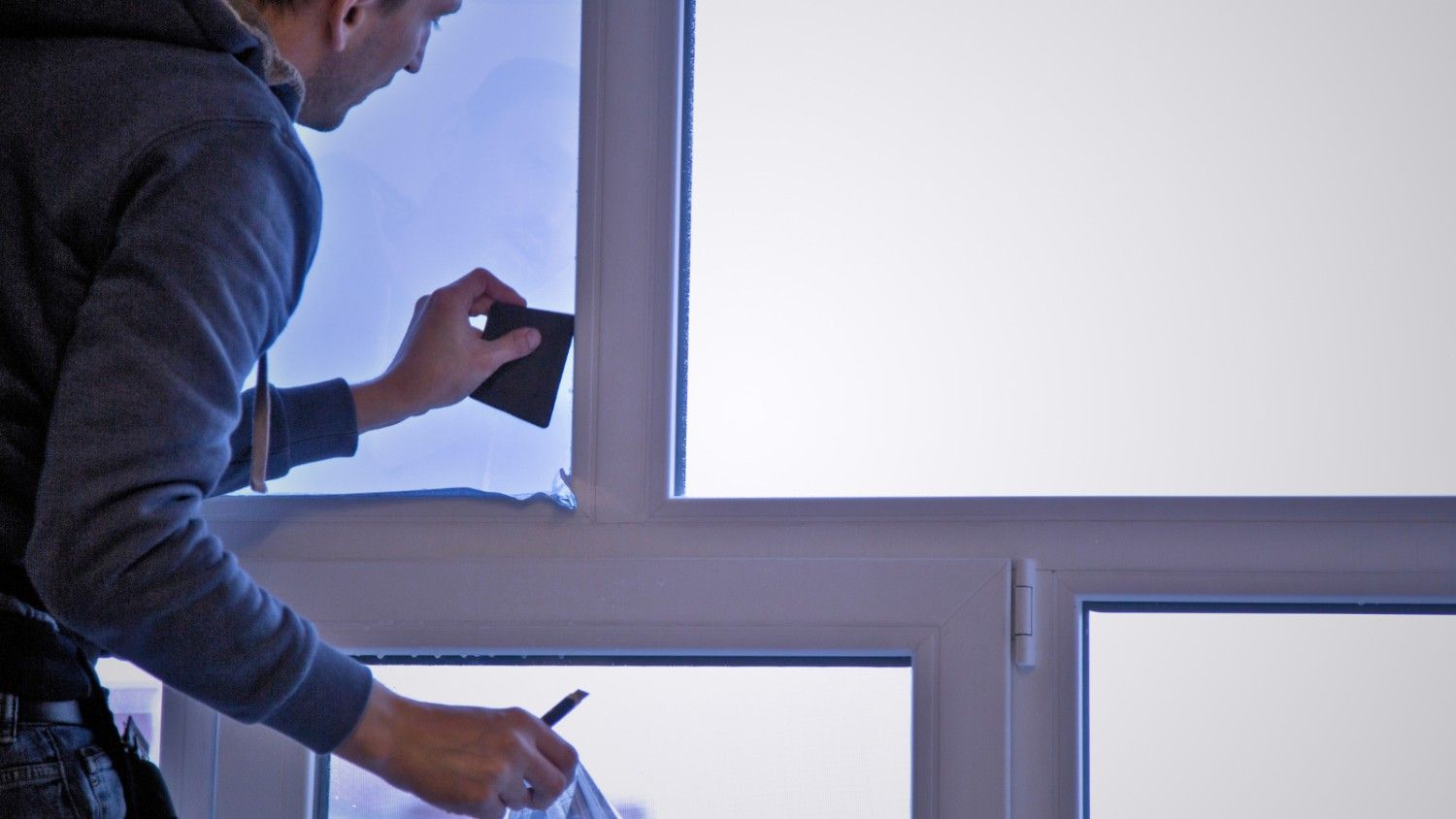

How Solar Control Window Film Works
Solar control window film works by modifying how glass interacts with solar energy. When sunlight passes through untreated glass, it introduces heat, glare, and ultraviolet radiation into interior spaces. Solar control films are engineered with layers that selectively reflect, absorb, and transmit portions of this energy.
Spectrally selective films allow visible light to pass through while reducing infrared heat. Other film types focus on glare control or UV filtration, depending on building orientation and use. Once installed, the film becomes part of the glass system, improving performance without changing the window structure.
This interaction results in more stable interior temperatures, reduced glare on screens and work surfaces, and improved comfort across occupied areas. UV protection helps preserve furnishings, flooring, and interior finishes. The result is a quieter, more balanced indoor environment that supports productivity and preserves long-term assets.
Problems Solar Control Window Film Solves
Many buildings struggle with uneven temperatures, excessive glare, and increased cooling demand due to direct sunlight exposure. These issues can impact occupant comfort, productivity, and operational efficiency across offices, retail spaces, and public facilities.
Interior fading caused by UV exposure affects furnishings, flooring, and merchandise over time. Glare can disrupt workspaces, customer experience, and visibility in shared areas. Solar heat gain places additional strain on cooling systems, increasing energy demand during peak periods.
Solar control window film installation addresses these challenges at the glass level. By managing solar input before it enters the building, facilities gain more consistent interior conditions and reduced environmental stress on both occupants and building systems.
Discover Solar Control Solutions
Benefits and Advantages
The primary advantage of solar control window film installation is improved occupant comfort across diverse building environments. Reduced glare and moderated temperatures improve usability in workspaces, public areas, and retail floors.
Interior assets benefit from long-term UV protection, helping preserve finishes, furnishings, and materials exposed to sunlight. This protection supports asset longevity and reduces the need for premature replacement.
From an operational perspective, managing solar heat gain can reduce cooling demand and support energy efficiency goals. While ROI varies by project, many facilities experience measurable performance improvements within a defined planning horizon.
By improving glass performance without altering building design, solar control window film offers a practical balance of comfort, protection, and operational value.

Commercial Solutions
Solar control window film installation is widely used across office portfolios, retail chains, healthcare facilities, schools, municipal buildings, and mixed-use developments. These environments require consistent performance, minimal disruption, and solutions that scale across locations.
Learn More

Residential Solutions
Residential applications of solar control window film focus on comfort, UV protection, and interior preservation. Homeowners benefit from reduced heat buildup, improved glare control, and protection for furnishings and finishes exposed to sunlight.
Learn More
Cost and Planning
Considerations
Planning for solar control window film installation involves evaluating building orientation, glass type, usage patterns, and performance goals. These factors influence film selection and projected outcomes at individual facilities or across multiple locations.
For portfolio owners, standardizing film specifications can support consistent performance and simplify long-term planning. Installation logistics are coordinated to minimize disruption while maintaining quality across sites.
While results vary by building and exposure, solar-control window film is often considered part of broader energy-efficiency and comfort planning strategies rather than a standalone upgrade.


Why Choose EDH Film Group
EDH Film Group delivers solar-control window-film installations with a focus on consistency, execution, and scale. Our teams support commercial, institutional, and portfolio-based clients with standardized processes and manufacturer-backed architectural films.
Experience across diverse building types allows EDH Film Group to align film selection and installation methods with real-world operational needs. From single facilities to multi-location deployments, our approach emphasizes clarity, coordination, and long-term performance.
Contact EDH Film Group
What to Expect
Evaluation
Assessment of building conditions, exposure, and performance goals.
Specification
Film selection aligned with comfort, glare, and energy objectives.
Installation
Certified teams install with minimal disruption to operations.
Follow-Up
Post-installation review to confirm performance expectations.
Frequently Asked Questions
Related Services


Plan Your Solar Control Strategy
Discuss solar control window film installation for a single building or an entire portfolio with EDH Film Group.